For ResearchPricer, “ahead of time” has never meant that the rest of the industry would not arrive. It means we started from a different question.
Most research technology begins with an existing workflow and asks how AI can make it faster. ResearchPricer begins with the AI agent itself and asks: when this system needs evidence that does not yet exist, how can it specify, price, authorize and commission new primary research?
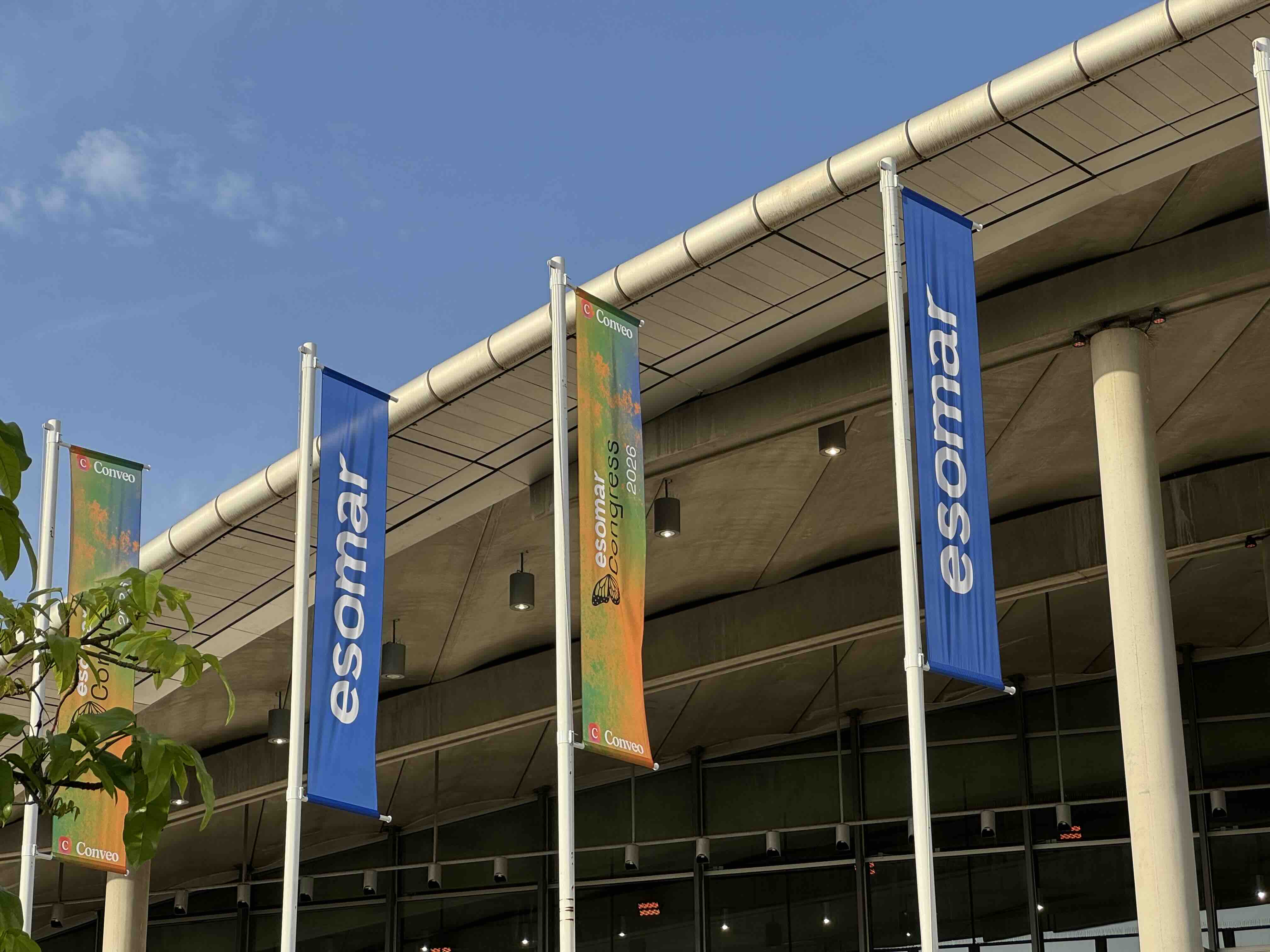
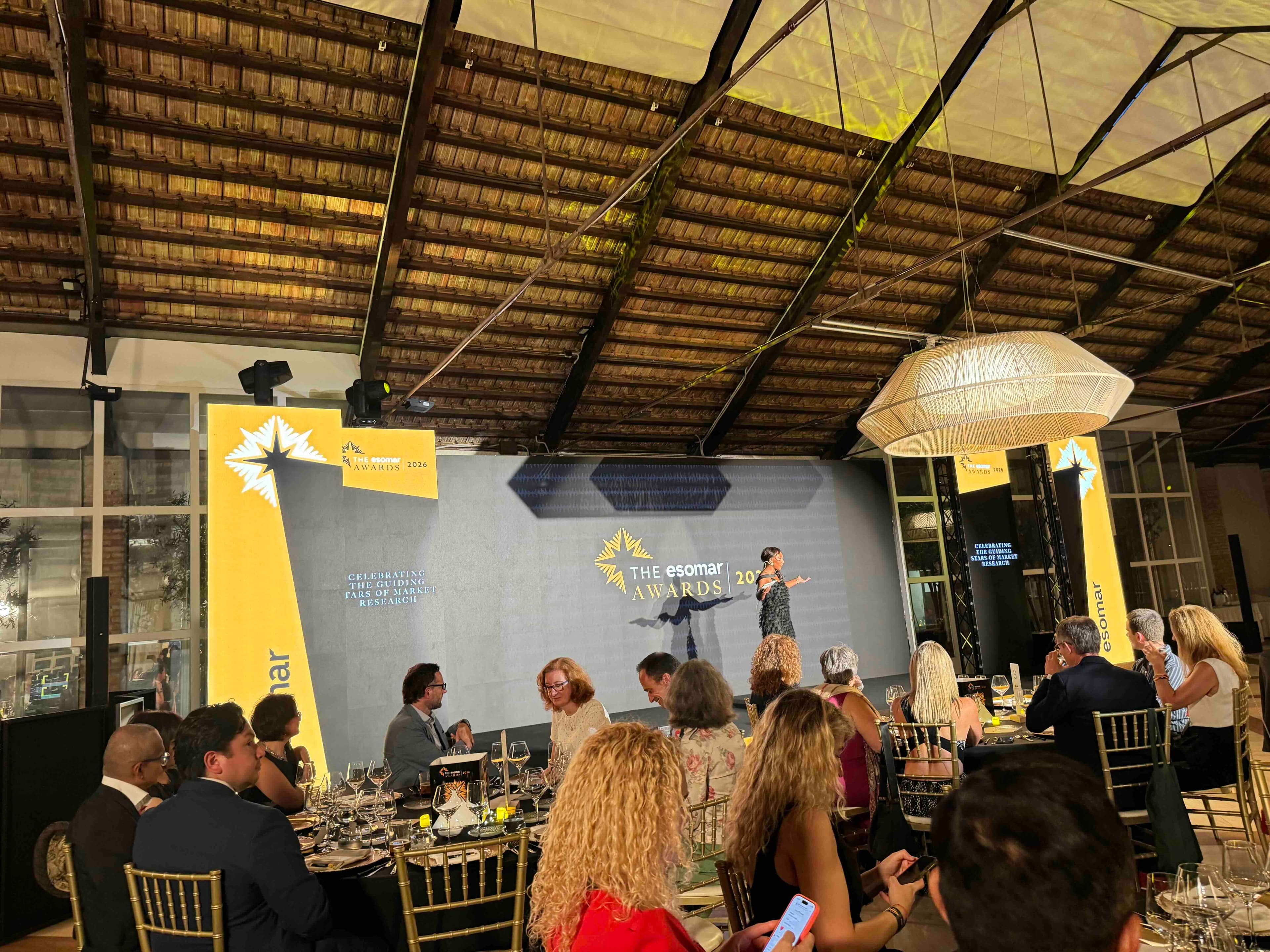
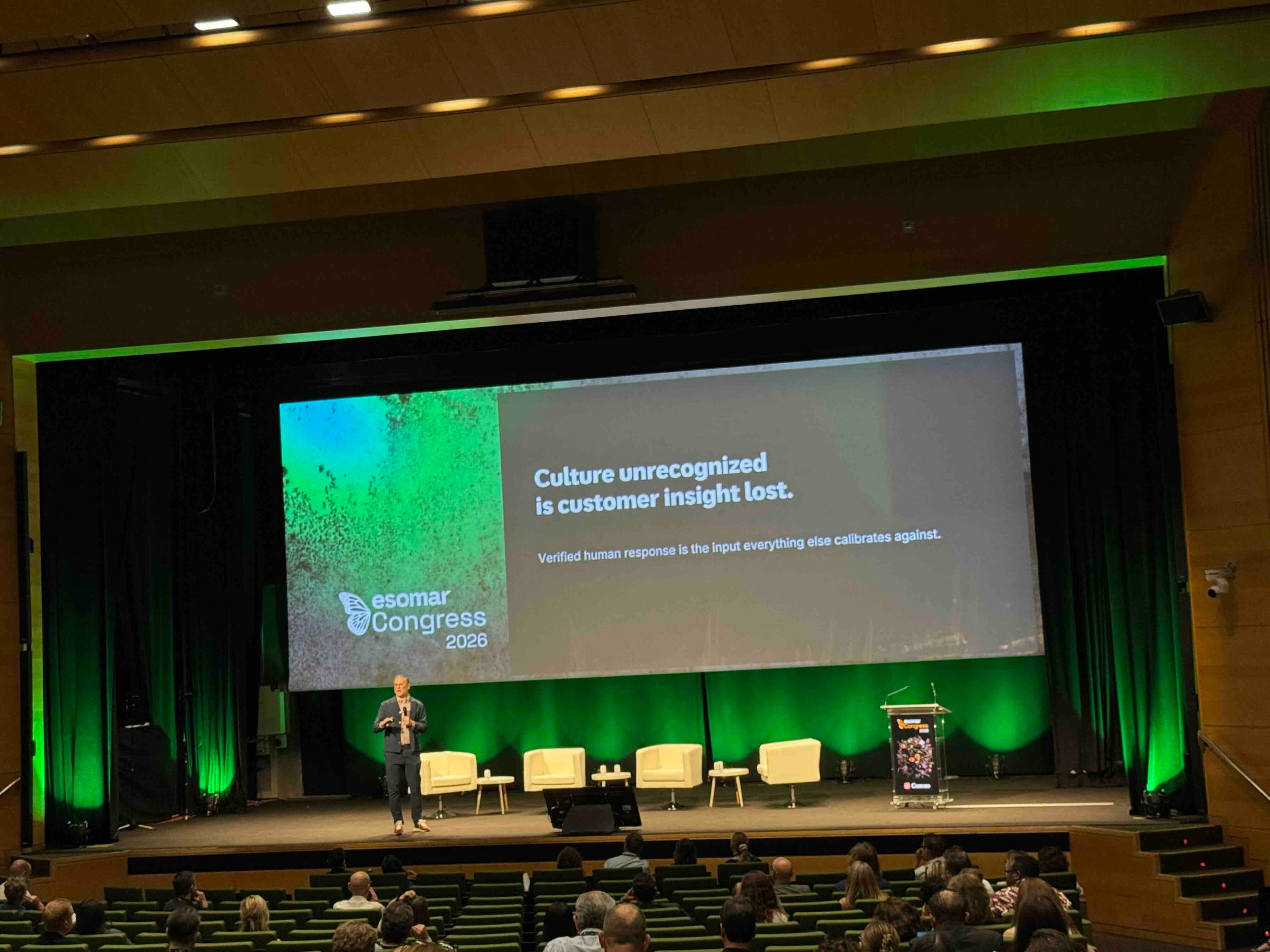
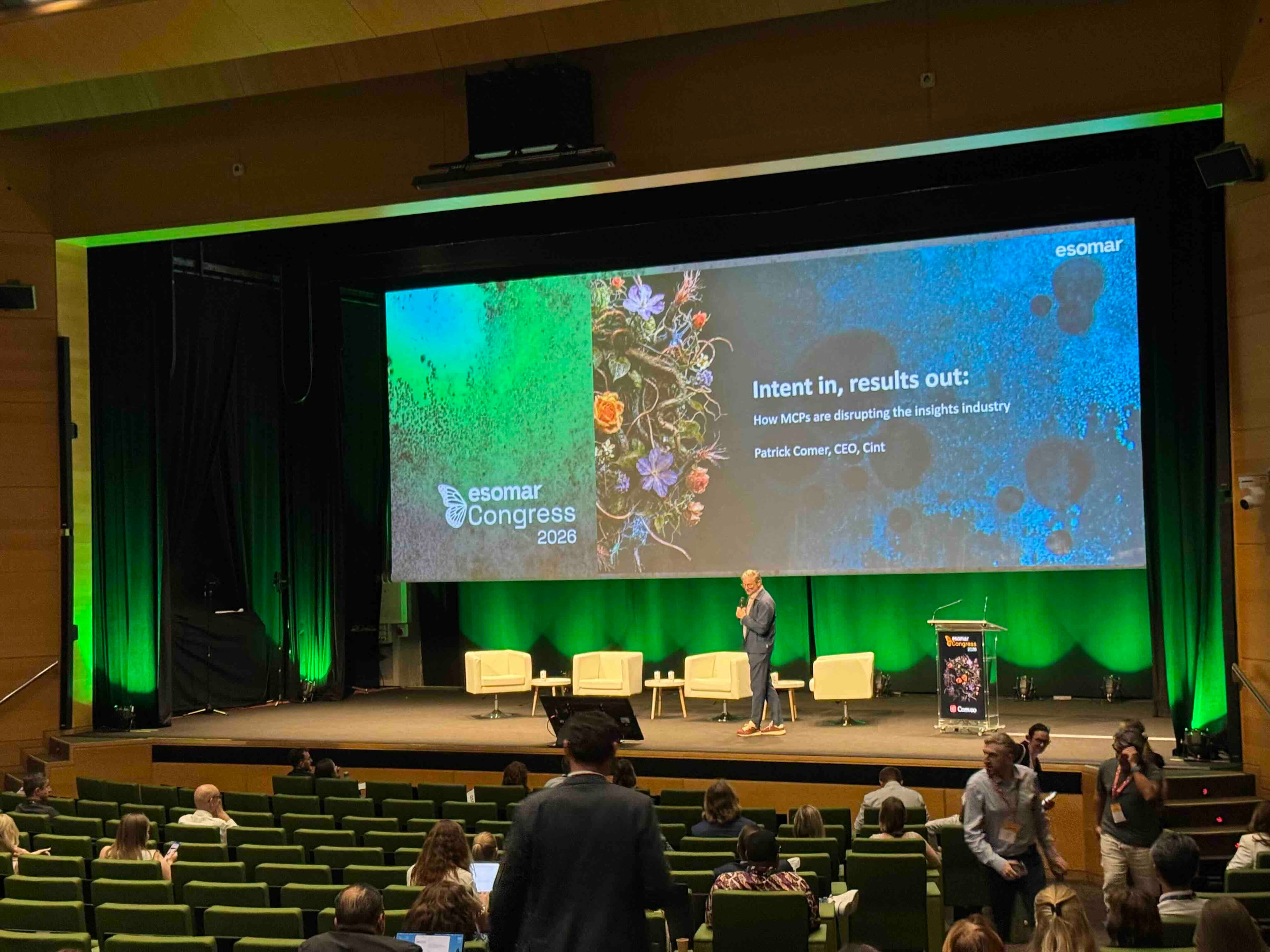
At ESOMAR Congress 2026 in Valencia, that question has moved into the centre of the market. AI agents, digital twins, synthetic data, human validation and machine-readable research workflows are no longer side topics. The 2026 ESOMAR programme and awards show major brands, research firms and technology providers working on them now.
The thesis is being validated. The race to implement it is also accelerating.
The strongest proof arrived during Congress
On 1 September 2026, Cint announced an MCP development collaboration with Potloc. According to Cint's official release, the planned connection is intended to let AI agents interact with research and measurement workflows through natural-language prompts.
The described target functions are commercially important: define audiences, assess feasibility across markets, receive pricing guidance, create and launch studies, monitor fieldwork and optimize live projects. Potloc is already using the MCP server in sampling work; Cint reports that one automated run configured a 20-market consumer banking study with separate target groups, locale settings, feasibility checks and bids.
This announcement should be read precisely. Cint is developing and testing the capability with early partners, not announcing unrestricted autonomous checkout for every buyer. But it is a powerful market signal. One of the largest programmatic sample platforms believes AI will become an interface through which customers access and execute research.
Cint's move is not a threat to the ResearchPricer thesis. It is confirmation that the category exists.
MCP changes the interface, not the underlying economics
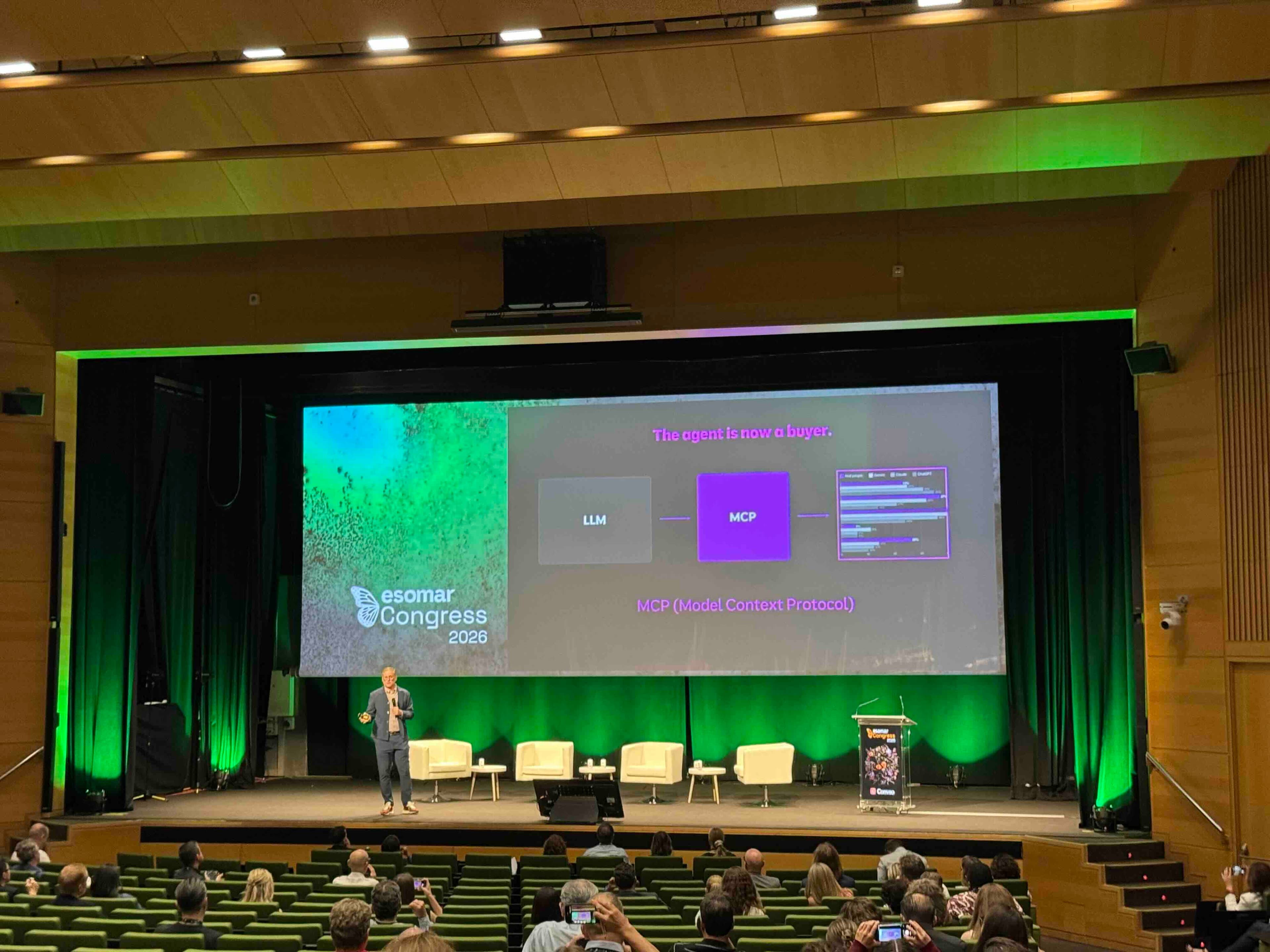
Model Context Protocol gives AI applications a standard way to discover resources and call tools exposed by external services. Instead of building a bespoke connection for every assistant, a provider can expose clearly defined actions through an MCP server.
For research, those actions might include:
- search supported methods, audiences and markets;
- validate whether a brief has enough information;
- request an indicative estimate;
- trigger live feasibility work;
- retrieve a firm, time-limited quote;
- prepare an order for human or mandate approval;
- initiate payment under an agreed policy;
- monitor recruitment and fieldwork milestones;
- retrieve approved deliverables with provenance.
MCP makes these capabilities easier for agents to find and use. It does not solve feasibility, respondent access, supplier pricing, quality control, legal responsibility or fulfilment. A tool call is only reliable when the commercial and operational system behind it is reliable.
That distinction is ResearchPricer's opportunity.
A panel connection is necessary, but it is not the whole market
Programmatic sampling is a natural early use case because online survey supply is already structured. Countries, audiences, incidence, length of interview and completes can be represented as fields. Established exchanges have APIs, price logic and live inventory.
Global primary research is larger and messier than an online sample order. A client may need 30 oncologists across three countries, 12 home ethnographies in Japan, paired patient and caregiver interviews, telephone work in a low-incidence B2B audience, central-location tests or mystery shopping across a fragmented retail network.
The buyer still wants a coherent answer to the same commercial questions: Can it be done? What exactly will be delivered? How long will it take? What will it cost? What assumptions could change the price? Who is accountable?
ResearchPricer is designed as a method-neutral orchestration layer. Programmatic panels can be one source of fulfilment. Specialist recruiters, qualitative facilities, CATI centres, healthcare networks, local field teams and experienced researchers form the rest. The agent interacts with a consistent specification and transaction model, while the operational layer can change by market and methodology.
“Delivering it” must be earned in stages
Agentic claims are easy to make. Trust comes from publishing what is live, what is configured for partners and what remains on the roadmap.
ResearchPricer's current public technical surface is intentionally narrow: machine-readable capability discovery and research-brief validation. Those are useful first actions because they let a system learn what information is required without creating a financial commitment.
Commercial operations are introduced through controlled organisational setup. Feasibility, firm quotes, orders, payment and fieldwork authorization require identity, contracting, limits and auditable states. MCP is an adapter over approved operations, not a substitute for them.
The target transaction therefore separates:
- Brief: the evidence need and full study specification.
- Estimate: a planning range with assumptions and no promise of supply.
- Feasibility: current validation with the relevant supply chain.
- Firm quote: an immutable commercial offer with scope, price, tax, validity and timing.
- Order: acceptance by a named legal principal under an approval policy.
- Payment: deposit, balance or approved account terms.
- Project and delivery: fieldwork states, quality records and structured outputs.
An agent can move automatically through read-only steps. It can prepare controlled commercial objects. It should commit money or launch fieldwork only when an authorized human approves or when the organisation has granted an explicit mandate.
This is why “autonomous purchasing available” should mean “available under an organisational configuration,” not “any bot can spend anonymously.”
Why ResearchPricer still has a window
Large platforms will agent-enable the capabilities they already own. Cint is starting from programmatic sample and measurement. AI-moderated interview providers will start from their interviewing software. Knowledge platforms will start from existing repositories. Procurement platforms will start from approvals and supplier records.
ResearchPricer can occupy the connecting layer: a global front door for new primary evidence across methods, audiences and countries, backed by people who know how international research is actually priced and delivered.
That position is defensible if ResearchPricer moves quickly on four assets:
1. A canonical research specification
Agents need a stable schema for purpose, market, language, audience, screening, incidence, method, sample, duration, stimuli, deliverables, timing and compliance. Missing information should produce a clarification request, not a guessed price.
2. A calibrated pricing and feasibility engine
Common combinations can return fast estimates. Difficult work must route to live suppliers. A null price should mean “validation required,” not “impossible.” Every quote should disclose what is included and what could change.
3. A global fulfilment graph
The system needs method-by-market supplier coverage, performance history, capacity, respondent quality, local restrictions and fallback options. This is where years of fieldwork experience become structured infrastructure.
4. Trust and transaction controls
Authentication, organisation-level mandates, approval thresholds, idempotency, audit logs, contract state, tax treatment, payment protection and data provenance are product features. Without them, autonomous purchasing is a demo rather than a procurement system.
What partners can do now
Enterprise insight teams and AI-platform builders do not need to wait for a universal marketplace. They can start with a bounded pilot.
Choose one recurring evidence gap, such as multi-market consumer surveys, healthcare interviews or fast qualitative validation. Define the allowed countries, methods, maximum spend and human approval point. Connect the agent to capability discovery and structured brief validation. Run quotes in parallel with the existing procurement route. Compare completeness, turnaround time, price consistency and delivery quality.
Once the workflow is trusted, expand the mandate. Autonomy should grow from measured performance, not from a blanket promise.
ESOMAR is anticipating this future because the industry can now see it arriving. Cint's move shows that major infrastructure providers are implementing it. ResearchPricer was created around the next missing layer: allowing an agent to obtain fresh real-world evidence when databases, documents and simulations are not enough.
Being early created the thesis. Shipping the governed transaction system will create the company.
Frequently asked questions
What is agentic market research?
Agentic market research uses AI agents to coordinate multi-step research work, potentially including audience definition, feasibility, pricing, study setup, fieldwork monitoring and delivery. Commercial actions still require explicit organisational authority and controls.
Is Cint's MCP generally available?
Cint's 1 September announcement describes development and testing with Potloc and invites additional beta partners. It should be described as an early partner capability, not unrestricted public availability.
How is ResearchPricer different from a panel marketplace?
Panel marketplaces primarily provide online survey sample. ResearchPricer is intended to orchestrate custom primary research across online surveys, qualitative interviews, focus groups, healthcare, B2B, telephone, face-to-face and specialist field methods globally.
Can my company's AI agent purchase research autonomously?
That depends on organisational setup. ResearchPricer can design a workflow around your identity, contract, budget, method, geography, approval and payment rules. Contact the team to define a controlled pilot.
Ready to give your AI a route to new evidence? Configure an agentic research pilot, read the developer overview or validate a research brief.
Sources
- New MCP collaboration between Cint and Potloc — Cint, published 1 September 2026.
- What are MCPs and why are they important to research and measurement teams? — Cint, published 31 August 2026.
- Cint Exchange FAQ — Cint, updated 3 March 2026.
- Introducing the Model Context Protocol — Anthropic, published 25 November 2024.
- MCP server concepts — Model Context Protocol, accessed 3 September 2026.
- Winners of the 2026 ESOMAR Awards announced in Valencia — ESOMAR, published 2 September 2026.